



Jaipur Tour
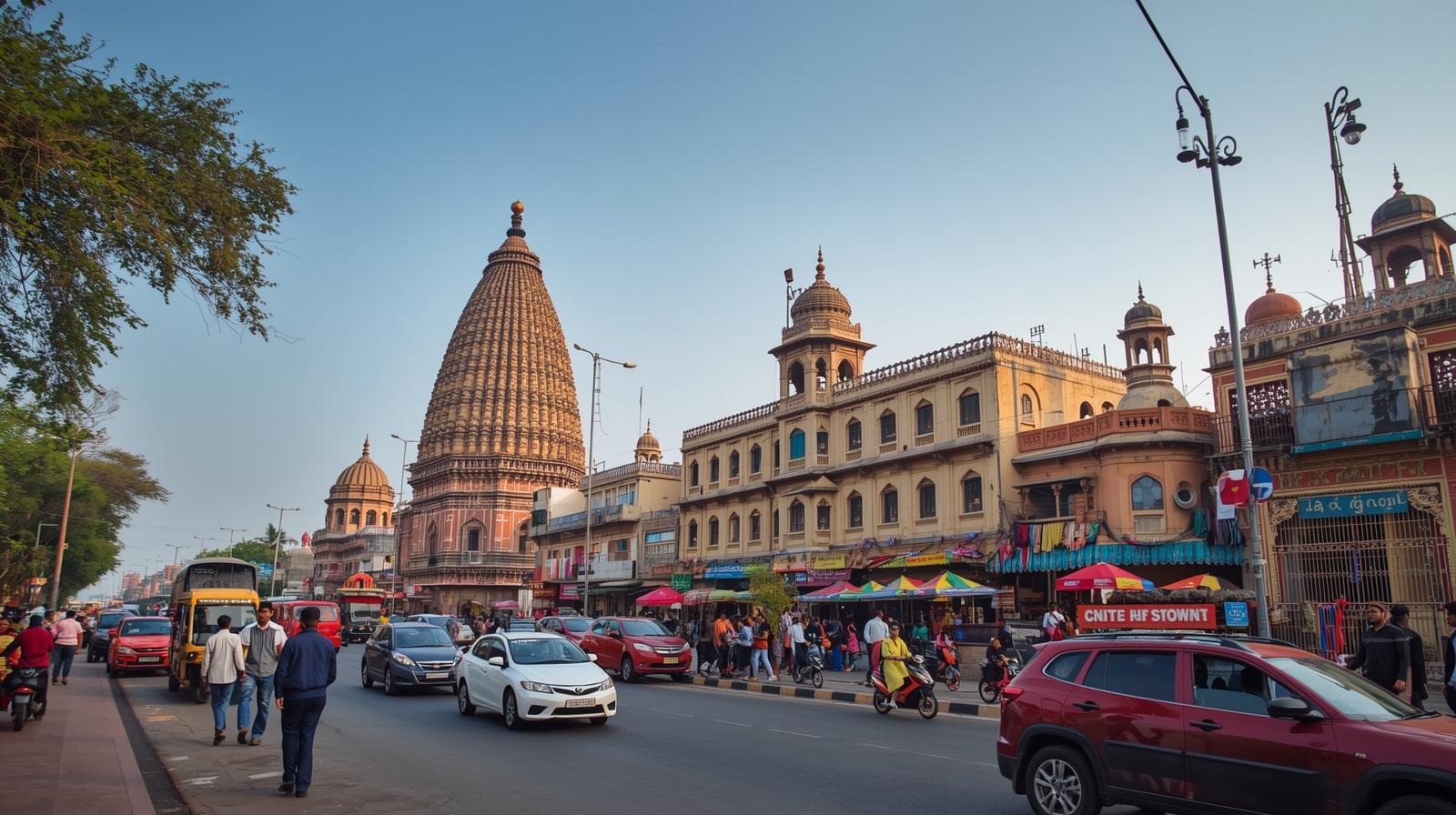
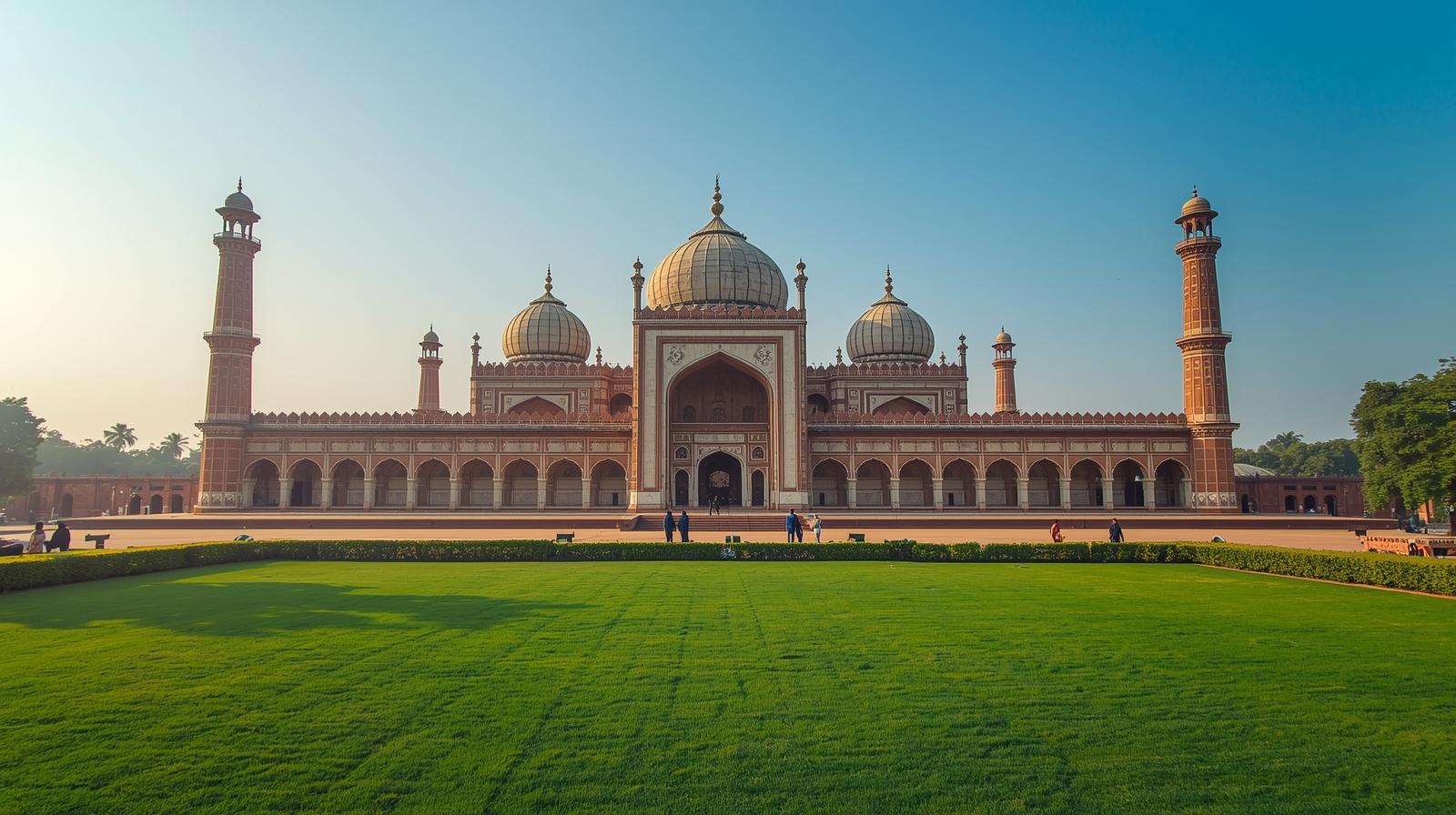
Planned by the renowned architect Vidyadhar Bhattacharya, Jaipur proudly holds the title of India's first planned city. Famous worldwide for its vibrant coloured gems, the capital of Rajasthan blends the charm of its rich ancient history with the conveniences of a modern metropolis. Today, Jaipur stands as a key destination of the Golden Triangle, along with Delhi and Agra.
According to history, Jaipur was painted pink in 1876 to welcome the Prince of Wales, as the colour symbolized hospitality. This iconic pink hue still covers the city, offering breathtaking views against the backdrop of majestic forts like Nahargarh, Jaigarh, and Garh Ganesh Temple.
The origins of Jaipur date back to 1727 when it was founded by Maharaja Jai Singh II, the ruler of Amber. He shifted his capital from Amber to Jaipur to accommodate the growing population and address water scarcity. Vidyadhar Bhattacharya designed the city using the principles of Vastu Shastra, creating a masterpiece of urban planning.
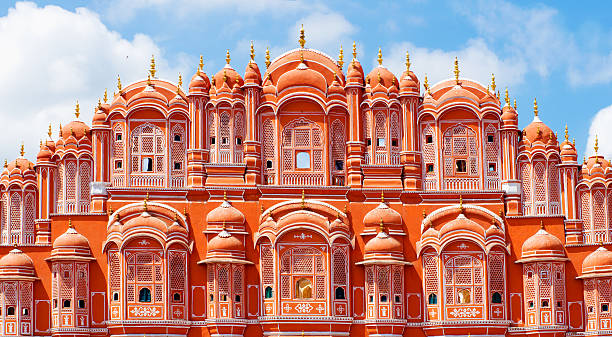
Hawa Mahal
Hawa Mahal, also known as the "Palace of Winds," is one of Jaipur’s most iconic landmarks. Built in 1799 by the poet-king Sawai Pratap Singh, this magnificent structure served as a summer retreat for the royal family.
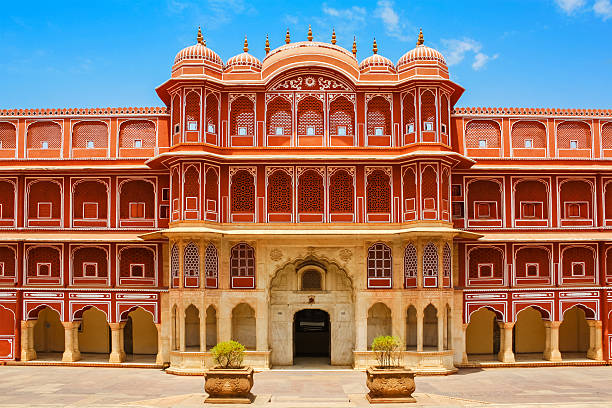
City Palace Jaipur
Located deep within the walled city of Jaipur, the City Palace Complex stands as one of the most remarkable architectural masterpieces of Rajasthan. Conceived and built by Maharaja Sawai Jai Singh II, the founder of Jaipur, this royal palace perfectly blends Mughal elegance with traditional Rajput architectural styles.
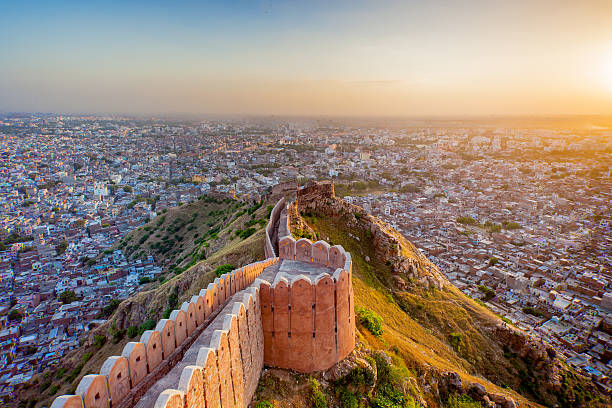
Nahargarh Fort
Nahargarh Fort stands majestically on a ridge of the Aravalli Hills, forming an impressive northern backdrop to the city of Jaipur. Built in 1734 during the reign of Maharaja Jai Singh II and later expanded in 1868, the fort offers a striking blend of history, defense, and architectural brilliance.
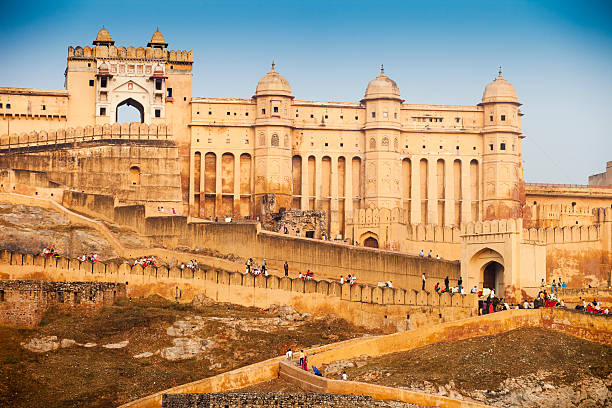
Amber Fort & Palace
Amber, located about 11 km from Jaipur, served as the stronghold of the Kachwahas of Amber until the capital was shifted to the plains, where the present-day city of Jaipur stands.
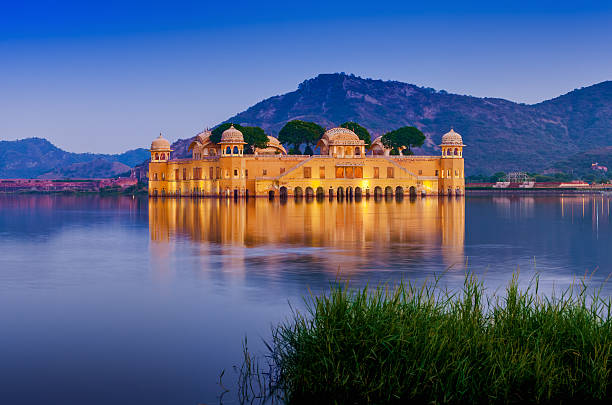
Jal Mahal
One of the most enchanting sights in Jaipur is the iconic Jal Mahal, also known as the Lake Palace.
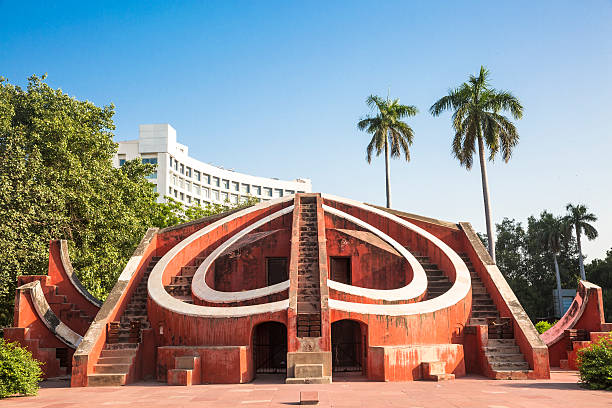
Jantar Mantar
NowA UNESCO World Heritage Site, Jantar Mantar is the largest observatory built by Maharaja Sawai Jai Singh II, featuring 16 unique instruments used to measure time and track celestial bodies.
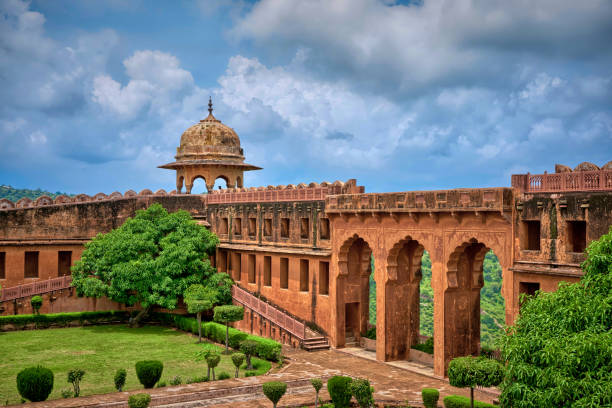
Jaigarh Fort
Located 15 km from Jaipur, Jaigarh Fort was built by Sawai Jai Singh II in the early 18th century. Known for its strong citadel structure, it also houses Jaiban, the world’s largest cannon.
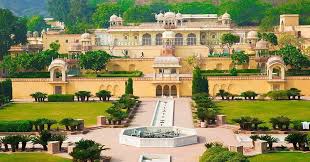
Sisodia Rani Palace
Located 8 km from Jaipur on Agra Road, this Mughal-style garden was built by Maharaja Sawai Jai Singh II for his Sisodia queen. It features multi-tiered lawns, fountains, water channels and beautiful Radha-Krishna paintings.
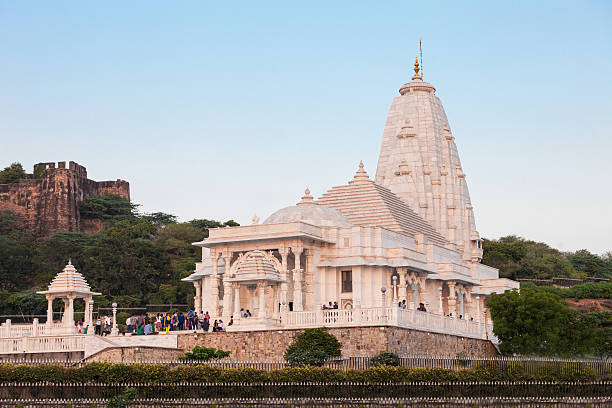
Birla Temple
Situated at the base of Moti Dungari, this modern white-marble temple stands on an elevated platform. Its stunning architecture and pure white structure make it a prominent landmark in south Jaipur.